

Uncategorized
Carob Explained: What It Is, How It’s Used, and Why People Choose It
Mar
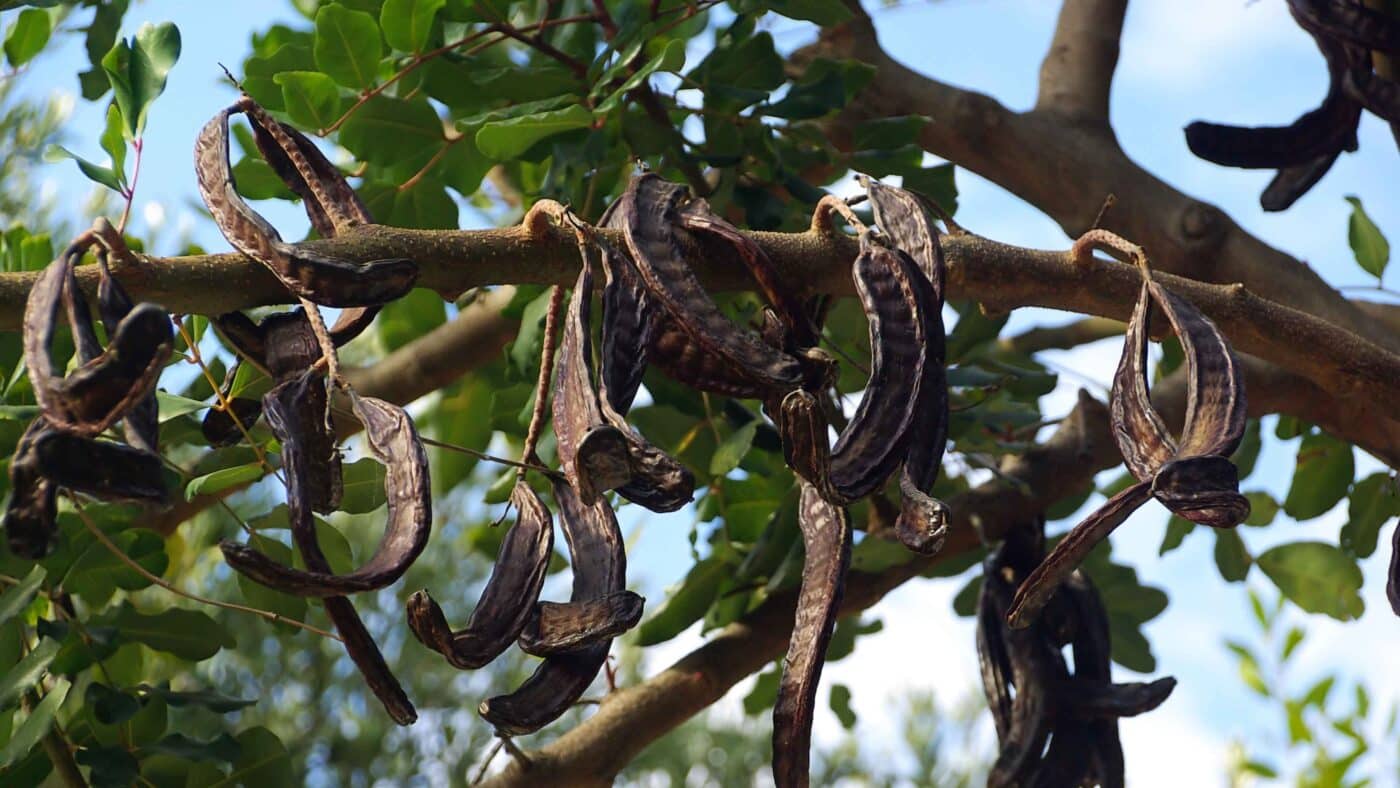
Carob comes from the pods of the carob tree, a Mediterranean plant whose ripe pods are dried and milled into powder, or made into chips and blocks for cooking and baking. While it looks similar to cocoa, carob is its own ingredient, with a naturally sweet, mellow flavour many people describe as caramel-like rather than chocolate-bitter.
A Naturally Sweet Ingredient, Not Just a Chocolate Substitute
One of carob’s defining features is its natural sweetness. Unlike cocoa, carob contains naturally occurring sugars, which means recipes made with carob often need little to no added sweetener. That built-in sweetness is why carob has long been used as a standalone flavour base in baking, drinks, and snack-style treats, rather than a strict one-to-one chocolate replacement.
Caffeine-Free and Stimulant-Free
Another major point of difference is what carob does not contain. Carob is naturally free from caffeine and theobromine, the stimulant compounds found in cocoa. That makes it appealing for people avoiding caffeine, for children’s treats, and for anyone who finds stimulants disrupt sleep or leave them feeling wired.
Nutritional Snapshot: High Fibre, Low Fat
Carob’s nutritional profile is often described in simple, practical terms:
- High dietary fibre, with a large portion of the pod made up of fibre
- Naturally low fat compared with cocoa-based products
- More carbohydrate-based, including naturally occurring sugars, with minimal fat
Carob also contains minerals such as calcium, magnesium, and potassium, contributing to its overall nutrient profile.
How Carob Is Used in Cooking and Food Products
Carob powder and chips can be used in many of the same ways as cocoa, especially in:
- Cakes, muffins, cookies, slices, and bliss balls
- Warm drinks similar to hot chocolate
- Smoothies and breakfast bowls
- Snack bars and confectionery-style treats
Because it is naturally sweet and mild, carob works particularly well in recipes aimed at reducing added sugar or avoiding bitterness. You’ll often see it appear in better-for-you snack formats too, especially where a gentle, roasted sweetness is the goal. If you’re browsing that style of product, it also sits neatly alongside other sweet snack alternatives.
Flavour Differences Worth Understanding
Carob does not taste identical to chocolate, and it helps to set expectations early. Carob is generally:
- Milder than cocoa
- Naturally sweet
- Slightly nutty or roasted, depending on the processing
It tends to perform best when used as its own ingredient rather than judged directly against dark chocolate.
Why Carob Is Seeing Renewed Interest
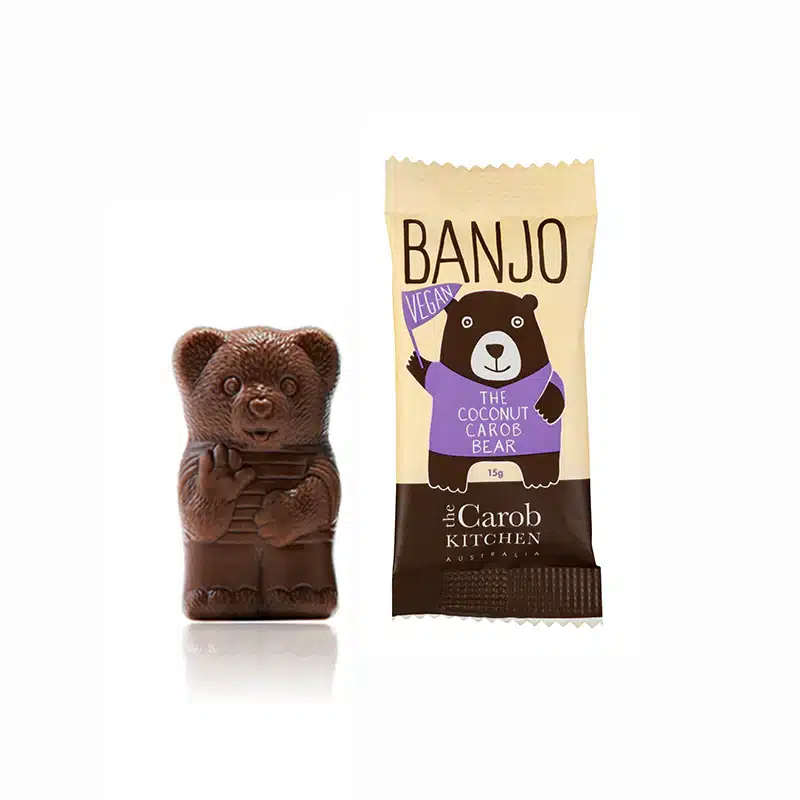
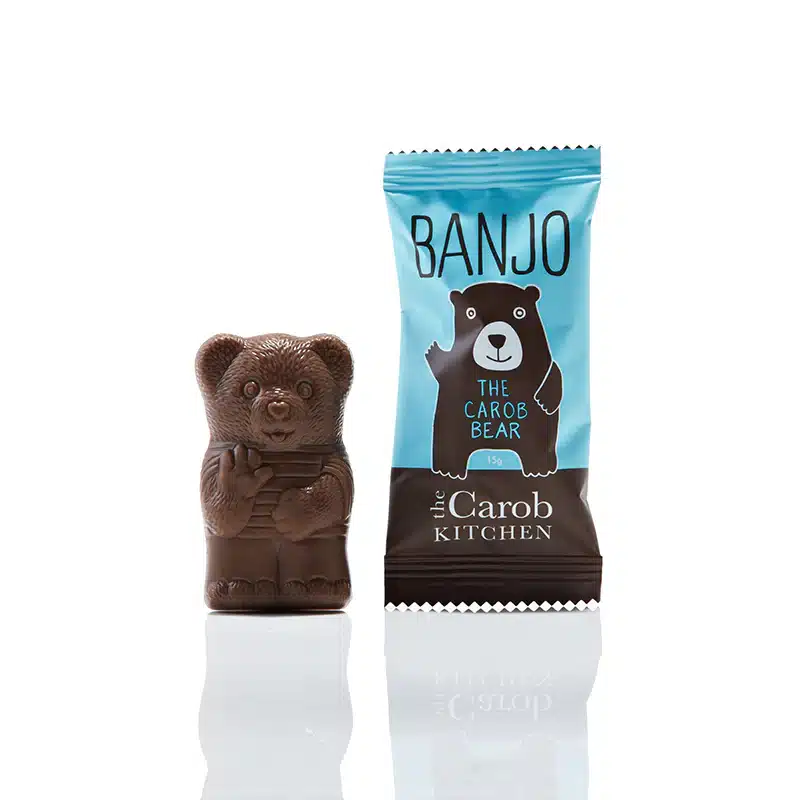
Interest in carob has grown alongside demand for caffeine-free foods, alternative baking ingredients, and traditional, plant-based pantry staples. Its combination of natural sweetness, fibre, and low fat makes it attractive for shoppers seeking less processed options while still wanting comforting, familiar flavours. If you’d like to explore what’s available, you can browse our carob range:
Key Takeaway
Carob is best understood not as a replacement for chocolate, but as a traditional plant ingredient with its own flavour, naturally sweet profile, and stimulant-free composition. Positioned that way, it becomes a versatile pantry staple rather than a compromise choice.
