

Blogs
Oxygen Bleach vs Regular Bleach
Jan
If you’ve ever searched oxygen bleach vs regular bleach, you’re not alone. The names sound similar, but they behave very differently in the laundry and around the home. Understanding what each one is (and when not to use them) helps you get better results, protect fabrics, and keep your cleaning routine safer and more sustainable.
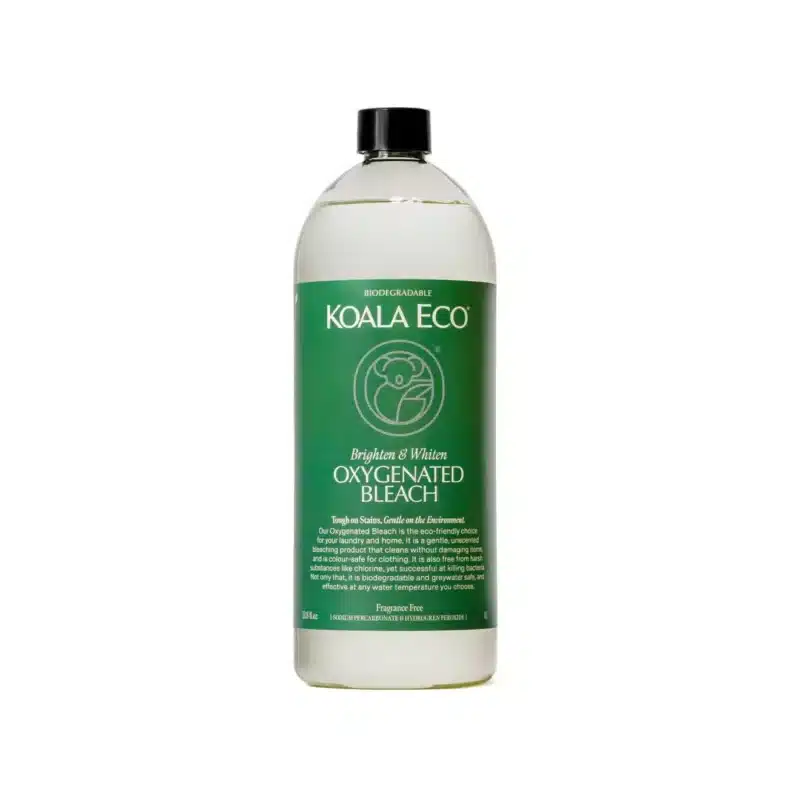
In everyday terms, “regular bleach” usually means chlorine bleach (commonly sodium hypochlorite). “Oxygen bleach” is based on sodium percarbonate, which releases oxygen-based cleaning power when mixed with water.
What “regular bleach” usually means
Chlorine bleach is a strong, fast-acting whitener and disinfectant used for things like white cottons, some household surfaces, and mould-prone areas. It works by powerful oxidation and can knock out stubborn stains quickly, but it’s also harsher on dyes and fibres.
Best for:
- Whitening sturdy white fabrics (when care labels allow)
- Some bathroom and household disinfection tasks (with careful ventilation)
Not ideal for:
- Coloured clothing or patterned fabrics (can strip colour)
- Delicates like wool, silk, elastane blends
- Frequent use on fabrics you want to keep looking new (it can weaken fibres over time)
What oxygen bleach is (and why it works so well)
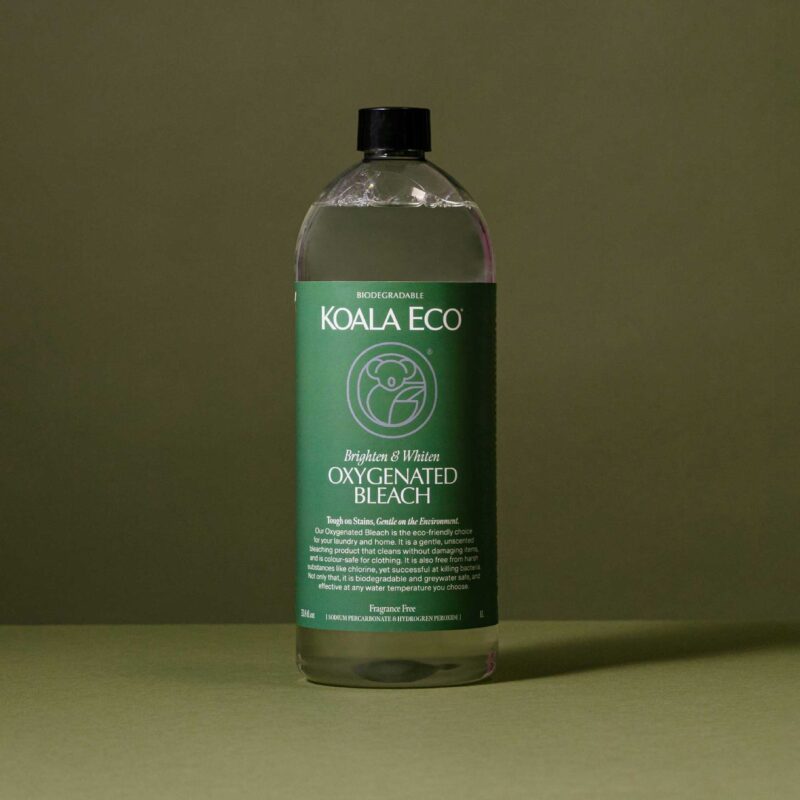
Oxygen bleach is usually sodium percarbonate. In water, it breaks down into compounds that release hydrogen peroxide, creating an “oxygen” lift that helps loosen stains and brighten fabrics, generally with less risk of colour damage. Warm water often improves performance.
Best for:
- Everyday whitening and brightening
- Colour-safe stain lifting (think tea, wine, sweat marks)
- Towels, sheets, kids’ clothes, cloth nappies (check fabric type)
- Pre-soaks and laundry boosts
If you’re building a lower-tox, low-fragrance laundry cupboard, oxygen bleach is often the “workhorse” option because it’s versatile and typically gentler on fabrics than chlorine bleach.
Oxygen bleach vs regular bleach: which cleans better?
The short answer: it depends on the job.
Chlorine bleach can be more potent and quicker on certain heavy-duty whitening tasks and some disinfection needs, but it’s also more likely to damage colours and fibres.
Oxygen bleach is usually the better all-rounder for laundry because it’s colour-friendlier, good for soaking, and fits nicely into a “wash warm, line dry” routine without that sharp bleach smell.
A useful way to decide is to think in outcomes:
- If the main goal is “rescue these white socks” and the label allows chlorine bleach, regular bleach may work faster.
- If the goal is “freshen, brighten, and lift stains across lots of fabrics”, oxygen bleach is often the safer first choice.
Fabric and colour safety
Always check the care label first. As a general rule:
- Oxygen bleach is commonly used on whites and colours (still patch-test if you’re unsure).
- Chlorine bleach is usually safest only on bleach-safe whites.
If your clothing label says “Do not use chlorine bleach”, oxygen bleach is often the alternative people reach for, because it typically brightens without the same colour-stripping risk.
Getting Rid of That Lingering Smell in Gym and Work Clothes
Oxygen bleach is a handy add-on for sweaty gym or work clothes because it doesn’t just mask odours, it helps lift the compounds that cling to fibres and keep that “washed but still funky” smell hanging around. Used as a soak or a laundry booster, it can break down built-up residue from sweat and deodorant that ordinary detergent sometimes leaves behind, especially in activewear.
Household safety: The mixing rules matter
This is the part worth taking seriously. Chlorine bleach reacts with other products and can create hazardous gases.
- Mixing bleach with ammonia can produce toxic chloramine gases.
- Mixing bleach with acids (like vinegar or some toilet cleaners) can generate chlorine gas.
If you ever feel coughing, chest tightness, burning eyes or throat after using cleaning products, move to fresh air and seek urgent medical advice if symptoms are significant.
Oxygen bleach products also need sensible handling (keep powders dry, avoid inhaling dust, follow label directions), but the biggest “never mix” red flags usually involve chlorine bleach.
Read more on the symptoms and risks of Chlorine Gas Toxicity
The more sustainable choice
If sustainability is part of your decision, oxygen bleach often aligns better with a gentler, fabric-care mindset: fewer ruined garments, fewer emergency re-buys, and a longer life for towels and basics. Chlorine bleach has its place, but it’s a sharper tool and best reserved for situations that truly need it.
Conclusion
When it comes to oxygen bleach vs regular bleach, oxygen bleach is usually the best everyday option for most Australian households: colour-friendlier, great for soaking, and effective for routine stain lifting. Regular (chlorine) bleach can be useful for specific heavy-duty whitening or disinfection jobs, but it’s harsher on fabrics and must never be mixed with other cleaners. If you’re unsure what suits your laundry, start with oxygen bleach, follow the care label, and speak with a health professional if you need personalised advice around sensitivities or safe use at home.
