

-
×
 Bite Me Meadows Free Range Tandoori Chicken 220g
1 × 16.79$
Bite Me Meadows Free Range Tandoori Chicken 220g
1 × 16.79$ -
×
Bone Broth Bolognese Luvarlee
1 × 36.59$
-
×
Bone Broth Chicken 500ml Nourishing Wholefoods
1 × 15.75$
-
×
Byron Bay Italian Stallion pizza 500g
1 × 21.79$
 Bite Me Meadows Free Range Tandoori Chicken 220g
  Bone Broth Bolognese Luvarlee
  Bone Broth Chicken 500ml Nourishing Wholefoods
  Byron Bay Italian Stallion pizza 500g
 Blogs
Microplastics in Food: How to Reduce Exposure Without Overhauling Your Life
21
Apr
Apr
Microplastics in food have become one of those topics that can feel a little unsettling, especially if you care about what goes into your body and the broader impact of everyday choices. The good news is you do not need to live in a bubble to make meaningful changes. With a handful of informed swaps and habits, you can reduce your day-to-day exposure while supporting more sustainable packaging and food systems.
Microplastics are tiny plastic particles (generally under 5 mm) that can come from the breakdown of larger plastics, synthetic clothing fibres, and even abrasion from everyday items. Because they are now widely present in the environment, they can show up in what we eat and drink, including through packaging and food handling. That does not mean you should panic. It means it is worth being deliberate about the choices that are most likely to move the needle.
Where microplastics in food commonly come from
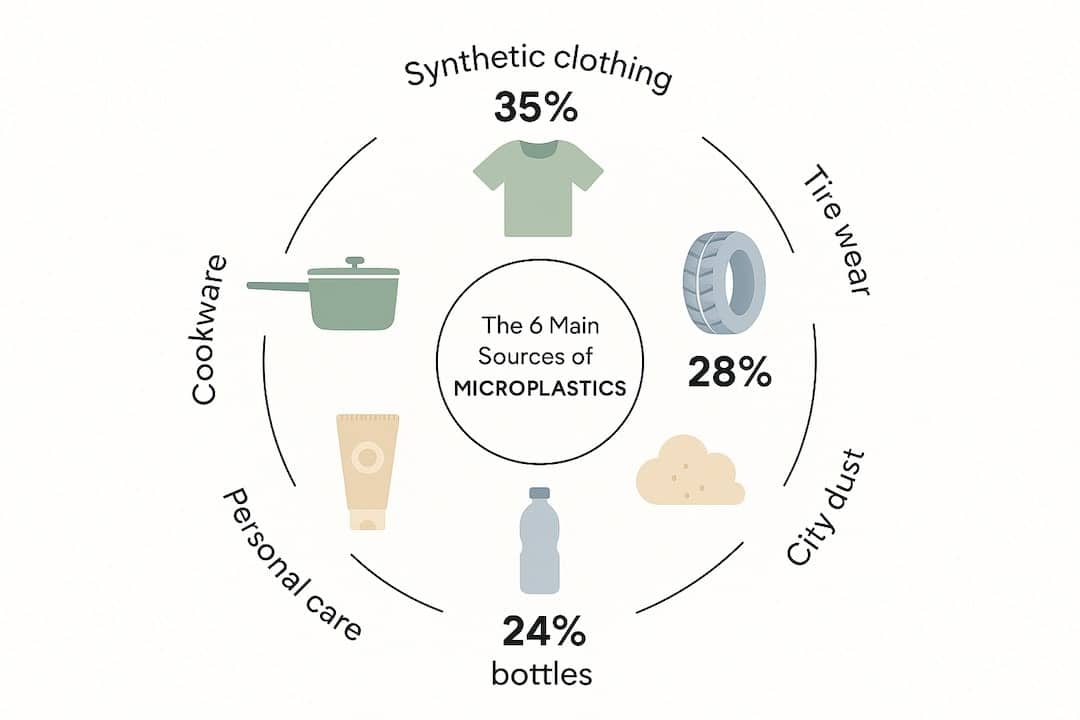
Microplastics can enter the food chain in a few key ways:
- Packaging and processing: Plastic packaging, plastic-lined materials, and plastic contact surfaces during processing can contribute small amounts over time.
- Heat and friction: Heating food in plastic, pouring hot liquids into plastic, or aggressive scrubbing of plastic containers can increase shedding.
- Certain food categories: Some foods are more exposed to environmental plastics, particularly foods harvested from marine environments.
- Drinking water and beverages: Bottled water, takeaway drinks, and some tea bag materials are often discussed in relation to microplastics.
There is still active research into how much comes from each source and what it means for long-term health. For readers who like to go deeper, you can check the current science by Science Direct’s Microplastics in Food Packaging Heating Plastic Containers. What is clear in the meantime is that reducing avoidable contact points is a practical, low-regret approach.
Practical ways to reduce microplastic exposure from food and drink
1) Stop heating food in plastic
If you do just one thing, make it this. Heat is a major driver of plastic shedding. Try to:
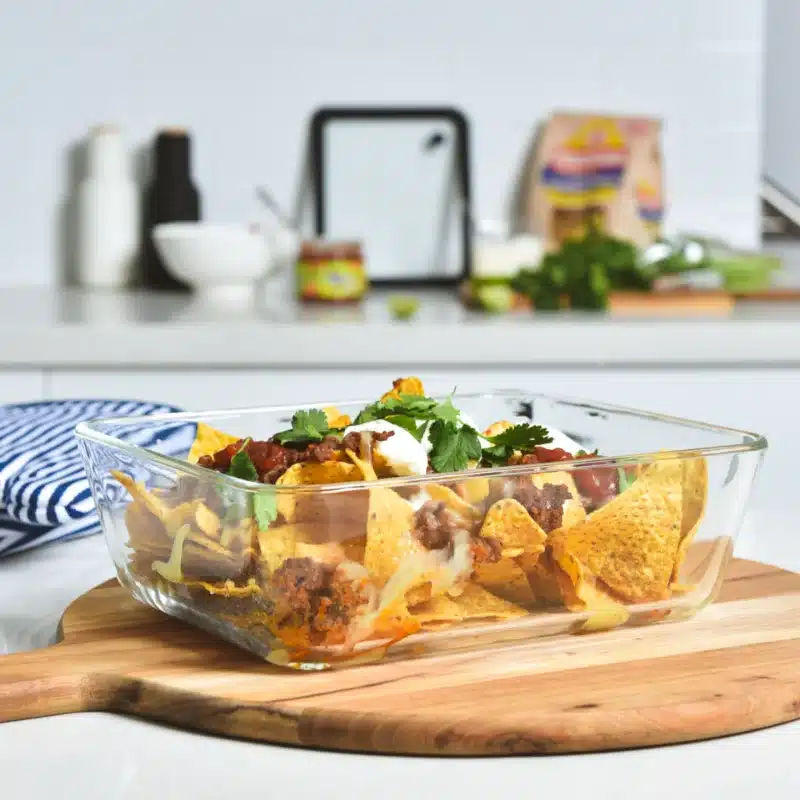
- Reheat leftovers in glass or ceramic, not plastic
- Avoid microwaving food in plastic tubs, even if they are labelled microwave-safe
- Use stainless steel or glass for hot liquids where possible
This single change can reduce repeated, high-contact exposure.
2) Upgrade food storage, one container at a time
You do not need to throw everything out. Replace items as they wear out, or as you naturally need more:
- Choose glass containers with silicone seals
- Prefer stainless steel lunch boxes for daily use
- Retire old plastic containers that are scratched, cloudy, or warped
Scratches create more surface area and can increase shedding. If a container looks tired, it probably is.
3) Rethink cling wrap and single-use plastics
Cling wrap is convenient, but it is also a direct food contact plastic. Easy alternatives:
- Beeswax wraps for sandwiches and bowls
- Silicone stretch lids for mixing bowls and leftovers
- Unbleached baking paper for certain uses
These swaps can be small but consistent. They also cut waste, which matters if you are already shopping with sustainability in mind.
4) Choose tea and coffee habits that reduce plastic contact
This is a subtle one. Some tea bags use plastic-based fibres or sealing methods. If tea is a daily ritual, consider:
- Loose leaf tea with a stainless steel infuser
- Paper tea bags that are clearly plastic-free (when available)
- Brewing in ceramic or glass rather than plastic travel cups for hot drinks
For coffee lovers, a simple win is using a stainless steel or ceramic-lined cup for takeaway drinks rather than single-use plastic lids and linings where possible.
5) Be selective with seafood and heavily packaged items
Microplastics in food discussions often mention seafood because marine plastics can be ingested by fish and shellfish. You do not need to avoid seafood completely, but you can be thoughtful:
- Prioritise high-quality, responsibly sourced seafood
- Vary protein choices across the week
- When practical, pick seafood with less processing and less packaging
Similarly, heavily packaged convenience foods increase the number of packaging contacts. Choosing more whole foods and pantry staples in low-plastic formats can reduce exposure points over time.
6) Filter your drinking water if it suits your household
If you drink a lot of bottled water, switching to filtered tap water can reduce single-use plastics and may reduce microplastics from packaging contact. A bench top or under-sink filter can be a practical upgrade, depending on your needs and budget.
7) Support better packaging, not perfect packaging
For health-conscious shoppers, this is where personal wellbeing and environmental values can align. Choosing brands that invest in lower-plastic solutions helps shift demand, even if the “perfect” option is not always available.
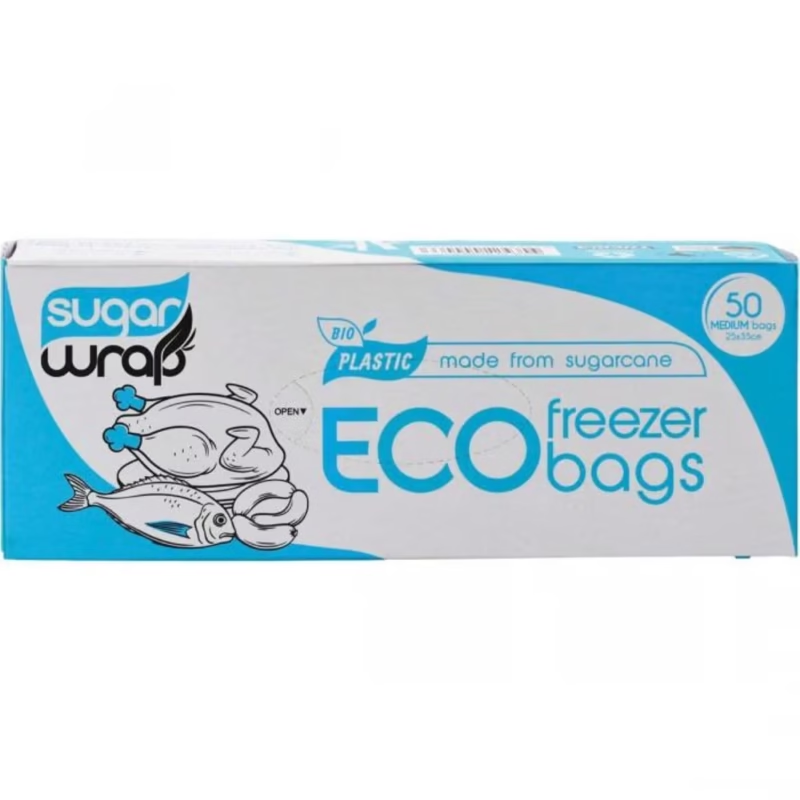
If you are looking to make informed packaging choices while you shop, you can explore options that prioritise lower-waste formats here: Think of it as a gradual move towards packaging that better matches your values, without losing the convenience you need day to day. Explore the SugarWrap range of eco packaging:
A calm, consistent approach is the best approach
Microplastics in food are a real topic, but it is not all-or-nothing. The goal is to reduce the biggest, most repeated sources of exposure, especially heat plus plastic contact, and then make steady upgrades as you go.
Start with one or two changes this week: switch your reheating container, retire scratched plastic, or change how you cover leftovers. Over a month, those small decisions add up. You will be supporting your household’s wellbeing, and you will also be nudging the market towards better, lower-waste packaging choices.
Conclusion: Microplastics in food are a modern reality, but your everyday habits can make a difference. By focusing on heat, storage, and packaging choices, you can reduce exposure in a way that feels practical, empowering, and aligned with a healthier, more sustainable shop.
